
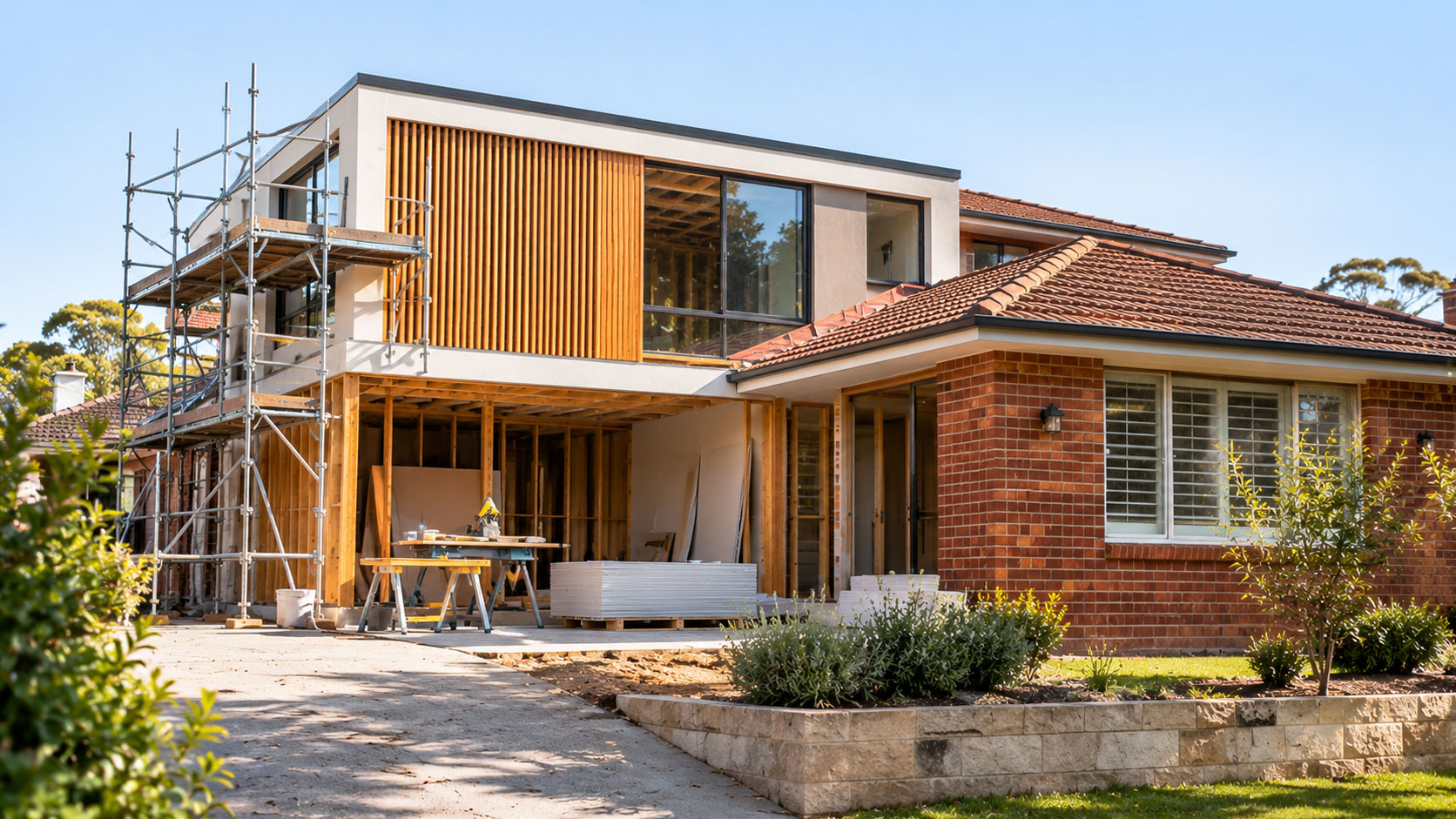
When your home no longer meets your needs, deciding whether to renovate or rebuild can be one of the biggest decisions you’ll make as a homeowner. Both options offer opportunities to improve functionality, create additional space and update the appearance of your property.
For homeowners across Sydney’s North Shore, the right choice depends on the existing home’s condition, your budget, the property’s potential and what you want to achieve long-term. Understanding the differences can help you make a more informed decision before committing to a building project.
When Does Renovating Make Sense?
Renovating is often a suitable option when your existing home has a sound structure, a practical layout and architectural features worth preserving.
A renovation might involve modernising the kitchen, updating bathrooms, improving internal layouts or creating more open living spaces. Depending on the scope, you may also be able to incorporate a home extension to gain additional floor space.
For established North Shore homes, renovating can help retain original character while introducing contemporary finishes and improved functionality.
However, it’s important to assess the existing building before proceeding. Outdated services, structural issues and previous alterations may influence the work required and the overall cost.
When Is Rebuilding the Better Option?
A knockdown rebuild involves demolishing the existing dwelling and constructing a new home on the same property.
This approach may be worth considering when the original house has significant structural problems, an impractical layout or limitations that would make extensive renovation difficult or expensive.
Rebuilding provides greater flexibility to design a home around your current requirements, including bedroom arrangements, living areas, storage, accessibility and energy efficiency.
However, a new build must meet applicable planning and construction requirements. The new home’s footprint, height and design may be restricted by planning controls, even if the existing house occupies a larger or different building envelope.
Comparing Renovation and Rebuilding Costs
Cost is often a major consideration, but neither option is automatically more affordable.
Renovations can be cost-effective when the existing structure is in good condition and the proposed work is relatively straightforward. However, major structural alterations, extensive plumbing upgrades and unexpected building defects can significantly increase the investment.
A rebuild involves demolition, site preparation, new construction and associated approvals. Additional costs may include temporary accommodation, service connections, site works and landscaping.
Before making a decision, compare the complete project costs rather than focusing only on the initial construction estimate. A detailed scope, realistic allowances and appropriate contingency can help establish a clearer financial picture.
Consider the Condition of Your Existing Home
Understanding the condition of your current property is essential before deciding how much of it to retain.
Structural inspections and specialist assessments may identify foundation movement, moisture damage, deteriorating materials or outdated electrical and plumbing systems.
Older properties may also contain asbestos or other hazardous materials requiring professional assessment and appropriate management before renovation or demolition.
These findings can influence whether retaining the existing building remains practical or whether starting again deserves consideration.
Planning Restrictions and Council Approvals
Both renovation and rebuilding projects may require planning approval, depending on the nature of the proposed work.
In NSW, some projects may qualify for a Complying Development Certificate (CDC), while others require a Development Application (DA) through the relevant council.
Heritage controls, building height limits, setbacks, landscaping requirements and site conditions can affect what’s permitted.
It’s particularly important to investigate these requirements before choosing to demolish an existing home, as approval to construct a replacement dwelling should not be assumed.
Think About Your Long-Term Lifestyle
Consider how you expect to use your home over the next five, ten or twenty years.
If you enjoy the existing layout and only need modern finishes or additional space, a renovation may provide everything you need. If the home requires extensive changes to accommodate your household, rebuilding may offer greater design flexibility.
Also consider the disruption involved. Renovations may sometimes allow homeowners to remain on-site, depending on the works, while a knockdown rebuild generally requires alternative accommodation throughout demolition and construction.
Making the Right Decision for Your Property
The best approach is to assess your home’s existing condition, identify your priorities and understand the realistic costs and limitations of each option.
At North Shore Building, we focus on practical planning, clear project scoping and quality workmanship. Whether you’re considering a complete home renovation, a substantial extension or exploring the possibility of rebuilding, understanding your options early can help you move forward with greater confidence.
A well-considered decision should balance your budget, lifestyle, property characteristics and long-term goals, creating a home that works for you now and into the future.