
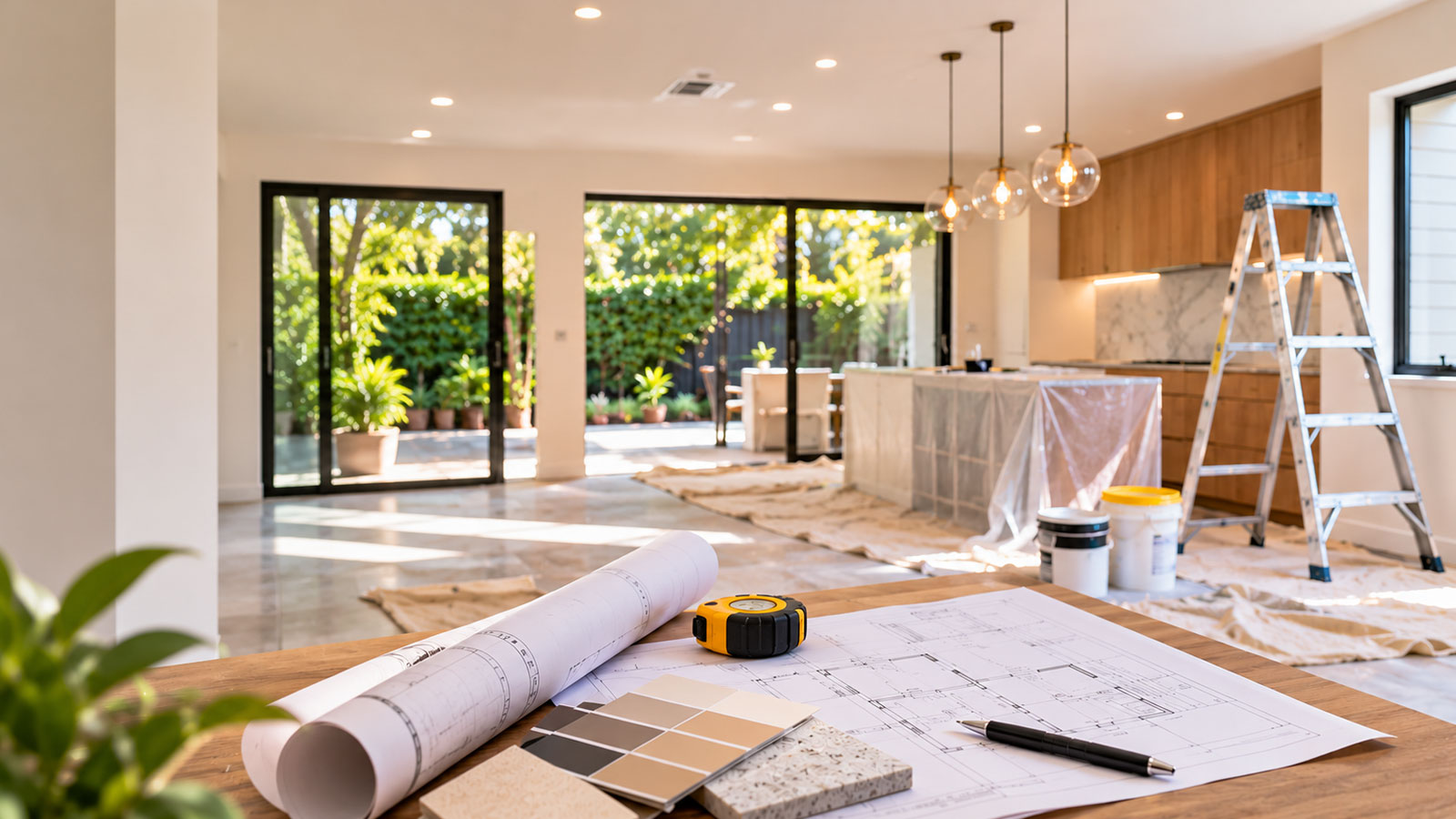
Renovating your home is an opportunity to improve comfort, functionality and overall appearance. Whether you’re updating a bathroom, redesigning your kitchen or undertaking a complete home renovation, careful planning can make a significant difference to the outcome.
However, even well-intentioned renovations can become complicated when important details are overlooked. From unrealistic budgets to rushed design decisions, understanding common renovation mistakes can help you avoid unnecessary expenses, delays and disappointment.
1. Starting Without a Clear Renovation Plan
One of the biggest mistakes homeowners make is beginning a renovation without clearly defining what they want to achieve. Choosing materials and finishes before considering the overall layout can lead to impractical decisions and costly changes.
How to avoid it: Identify your priorities before construction begins. Consider how each room is used, what currently isn’t working and which improvements will make the greatest difference to everyday living.
2. Underestimating the Renovation Budget
Renovation costs can extend beyond visible finishes and fixtures. Structural alterations, plumbing, electrical work, site access and unexpected building conditions can all influence the final price.
How to avoid it: Establish a realistic budget based on a clearly defined scope of work. Review inclusions, exclusions and allowances in your quotation, and consider setting aside contingency funds for unforeseen issues.
3. Choosing Appearance Over Functionality
A beautiful interior doesn’t always translate into a practical living space. Poorly positioned cabinetry, insufficient storage, restricted walkways and inadequate lighting can affect how comfortably a room functions.
How to avoid it: Balance design preferences with everyday requirements. Consider storage, circulation, natural light, ventilation and furniture placement before finalising the layout.
4. Overlooking Structural Requirements
Removing walls or modifying existing rooms may appear straightforward, but some alterations can affect the home’s structural integrity. Existing foundations, load-bearing walls and previous construction work may need professional assessment.
How to avoid it: Have structural alterations properly assessed and documented before construction. Engage qualified professionals and obtain engineering advice where required.
5. Failing to Consider Approvals and Compliance
Depending on the renovation’s scope, certain building works may require planning approval, certification or specialist documentation. Overlooking these requirements can create complications during construction or when selling the property.
How to avoid it: Review applicable NSW planning controls, building requirements and relevant Australian Standards early in the process. Confirm which approvals and inspections are necessary for the proposed work.
6. Making Too Many Changes During Construction
Changing layouts, fixtures or materials after work has started can disrupt scheduling, increase costs and affect coordination between trades. Even small decisions may have consequences for work already completed.
How to avoid it: Finalise major design choices, fixtures and material selections before construction wherever possible. If changes become necessary, confirm their cost and timeframe implications before approving variations.
7. Ignoring Lighting and Ventilation
Lighting and airflow are essential to creating comfortable interior spaces. Poorly positioned windows, insufficient ventilation and inadequate task lighting can reduce the practicality of newly renovated rooms.
How to avoid it: Incorporate natural light, artificial lighting and ventilation into the design from the beginning. Kitchens, bathrooms and enclosed living spaces require particular attention.
8. Selecting Materials Based on Price Alone
Choosing the cheapest available materials may reduce initial costs, but unsuitable products can compromise durability, maintenance and the overall finish.
How to avoid it: Consider product suitability, longevity, maintenance requirements and installation quality. Select materials that suit the room’s intended use and your long-term expectations.
9. Underestimating Construction Timeframes
Renovations involve multiple stages, including planning, ordering materials, coordinating trades and completing inspections. Unexpected structural conditions, weather and product availability can also affect progress.
How to avoid it: Discuss realistic construction schedules before work begins and understand which stages may affect access to kitchens, bathrooms or other essential areas.
10. Not Choosing the Right Building Team
The quality of your renovation depends on effective planning, coordination and workmanship. Poor communication or an unclear construction scope can lead to misunderstandings throughout the project.
How to avoid it: Choose an appropriately licensed and experienced builder, review the proposed scope carefully and establish clear communication expectations before signing a contract.
Plan Your Renovation with Confidence
A successful home renovation requires more than selecting attractive materials. Thoughtful design, realistic budgeting, proper documentation and careful construction planning all contribute to a practical, lasting result.
At North Shore Building, we focus on clear communication, considered planning and quality workmanship to help homeowners across Sydney’s North Shore make informed renovation decisions.
Whether you’re planning a kitchen upgrade, bathroom renovation or extensive home transformation, understanding the potential challenges early can help create a smoother building experience and a home better suited to your lifestyle.