
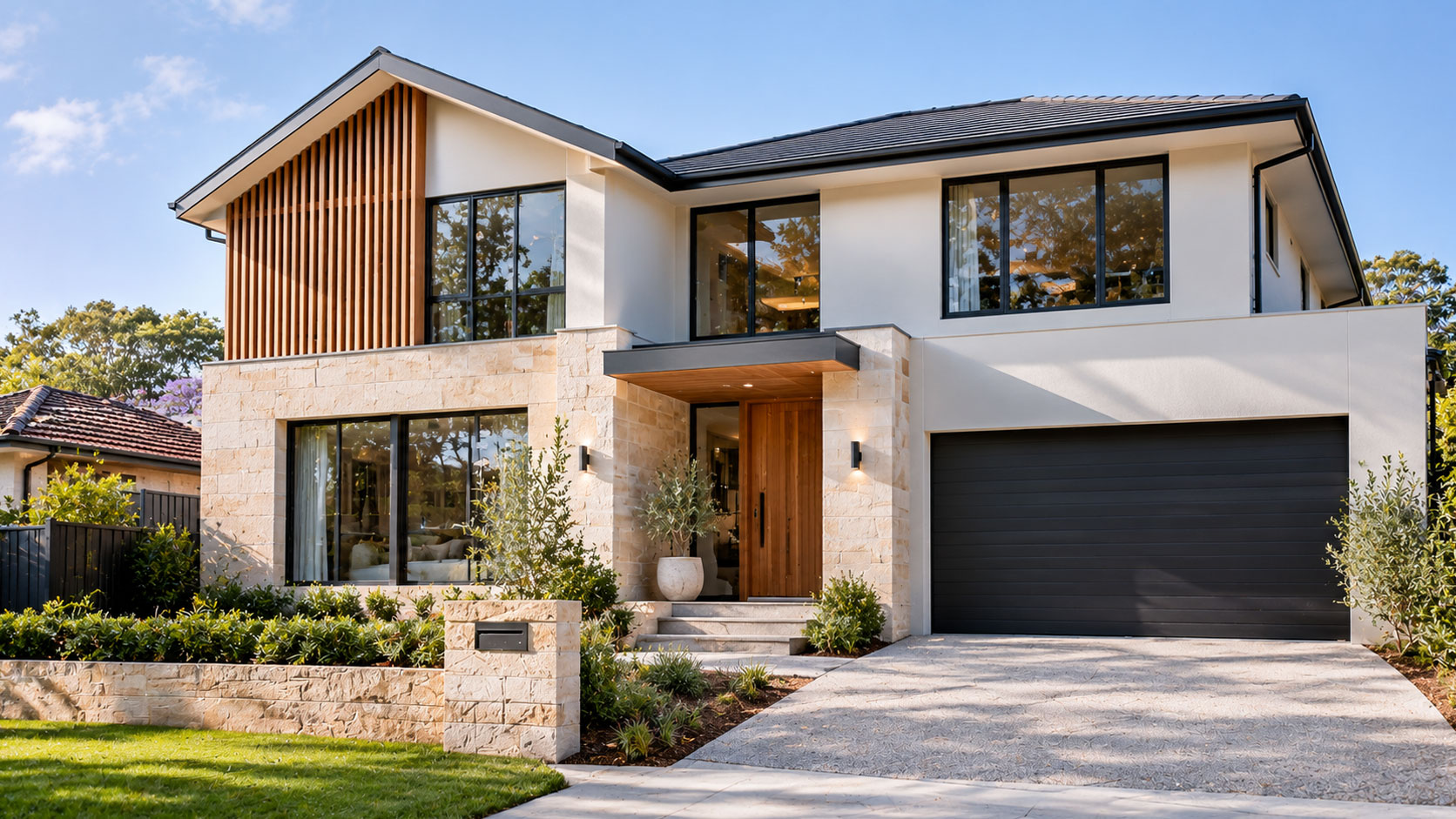
Building a custom home in Sydney gives you the opportunity to create a living space designed around your lifestyle, preferences and long-term needs. From the architectural layout to materials, finishes and everyday functionality, each element can be carefully considered to suit your property and the way you live.
However, a successful custom home begins long before construction. Understanding your land, establishing a realistic budget, engaging the right professionals and navigating NSW planning requirements are essential steps towards bringing your vision to life.
Whether you’re building on vacant land or considering a knockdown rebuild on Sydney’s North Shore, this guide outlines the key considerations before starting your project.
1. Understand Your Land and Building Potential
Before developing your design, it’s important to understand what can be built on your property. Site characteristics such as slope, orientation, access, soil conditions and existing services can influence both construction methods and costs.
Local planning controls may also affect building height, boundary setbacks, floor space, landscaping and the overall building footprint.
For properties across Sydney’s North Shore, additional considerations may include heritage restrictions, established vegetation, bushfire-prone land and neighbouring buildings.
A site survey, relevant planning information and specialist assessments can help establish the property’s potential before committing to a final design.
2. Establish Your Budget Early
Creating a realistic budget is one of the most important stages of planning a custom home. While construction represents a significant portion of the investment, there are several additional expenses to consider.
Depending on your project, these may include architectural design, engineering, surveys, planning approvals, demolition, excavation, service connections, landscaping and interior finishes.
Site access, ground conditions and material selections can also influence the final cost.
Allowing for contingencies and reviewing inclusions, exclusions and provisional allowances early can help you make informed decisions and reduce unexpected financial pressure during construction.
3. Design Around Your Lifestyle
A custom home should reflect how you use your living spaces, not simply follow current design trends.
Consider the number of bedrooms and bathrooms required, how your household uses shared areas and whether dedicated spaces for working, entertaining or relaxing would improve everyday life.
Open-plan kitchens, flexible living areas, generous storage and practical connections to outdoor spaces are all worth exploring.
Natural light, ventilation, privacy and accessibility should also influence the layout. Designing around both your current and future needs can help create a home that remains comfortable and functional for years to come.
4. Choose the Right Design and Construction Team
Building a custom home involves coordination between designers, structural engineers, consultants, certifiers and construction trades.
Engaging appropriately qualified professionals helps ensure that architectural ideas are considered alongside structural requirements, construction practicality and project costs.
When selecting a builder, review their relevant experience, licensing, communication approach and proposed construction scope.
Clear responsibilities and consistent communication between everyone involved can help reduce misunderstandings and keep the project organised.
5. Understand NSW Planning and Building Approvals
Custom home construction in NSW must comply with applicable planning controls and building regulations.
Depending on the location and proposed design, a new home may qualify for a Complying Development Certificate (CDC) or require a Development Application (DA) assessed by the relevant consent authority.
New homes must also satisfy applicable BASIX sustainability requirements, covering aspects such as energy efficiency, water use and thermal performance.
Projects approved through the DA pathway generally require a Construction Certificate before building work begins. A principal certifier and applicable inspections are also part of the construction process.
Understanding the approval pathway early helps avoid designing a home that cannot proceed as initially proposed.
6. Select Materials and Finishes Carefully
Materials and finishes have a significant influence on the appearance, durability and maintenance requirements of your custom home.
Consider how external cladding, roofing, windows, flooring, joinery and interior finishes will work together to create a consistent architectural style.
While premium materials can enhance the overall result, they should also be selected for their suitability, longevity and maintenance requirements.
Finalising key selections before construction can help clarify costs, manage supplier lead times and reduce late-stage design changes.
7. Prepare for the Construction Process
Once approvals, construction documentation and contractual arrangements are in place, building can progress through the necessary stages.
These typically include site preparation, earthworks, foundations, structural framing, roofing, external enclosure, services installation and interior finishes.
Required inspections and certification take place at relevant construction stages, with final checks and an Occupation Certificate forming part of the completion process.
Construction timeframes vary depending on the home’s size, design complexity, site conditions, weather and availability of materials and trades.
8. Plan for Long-Term Comfort and Efficiency
A well-designed custom home should deliver more than an attractive appearance. Energy efficiency, comfortable indoor temperatures, ventilation, storage and practical maintenance all contribute to long-term liveability.
Window placement, insulation, shading and suitable building materials can help improve comfort throughout the year.
Considering these features during the design stage is generally more practical than making significant changes once construction has commenced.
Start Planning Your Sydney Custom Home
Building a custom home is a significant investment, and the decisions made during the planning stages can influence the entire project.
At North Shore Building, we value thoughtful planning, clear communication and quality workmanship. Whether you’re exploring a new home design or considering a knockdown rebuild, understanding your property’s potential and construction requirements is an important first step.
Discuss your ideas with our team to explore the practical considerations involved in creating a custom home suited to your lifestyle.
For official NSW planning information, visit the NSW Planning Portal.